Showing posts with label Pregnancy. Show all posts
Wednesday, July 6, 2016
Pregnancy and Travel
Traveling while pregnant is generally considered safe as long as you do not have any complications. After 35 weeks, it is recommended to consult your healthcare provider before traveling to be sure that there are no concerns when traveling. The ideal time to travel is during your second trimester as you are generally out of the morning sickness stage from the first trimester, and you are several weeks from third trimester where you are more easily fatigued. My second pregnancy I traveled a lot, especially towards the end of pregnancy, because of our location in Japan at the time and my husband being away in California. I had no big issues with traveling during that time, except fatigue, which is expected during international travel and with a toddler.
I have compiled some tips for traveling that may make things easier and safer as you travel during pregnancy.
Traveling On Land
-It is essential that you wear a seatbelt every time you ride in a car. Be sure to use both the lap and shoulder belts for the best protection for both you and your baby.
-Keep the airbags turned on. The safety benefits outweigh any potential risk to you and your baby.
-Buses tend to have narrow aisles and small restrooms, so it can prove to be more challenging. Try to remain seated while the bus is moving. If you have to get up, be sure to use the handrail or seats to keep your balance.
-Trains usually have more room to navigate and walk, but the restrooms are usually quite small. Use the rails and seat backs to walk around while the train is moving.
-Try to limit the amount of time you are cooped up in the car, bus, or train.
-Use rest stops often to take short walks and to do stretches to keep the blood circulating.
Traveling By Air
-Most airlines allow pregnant women to travel through their eighth month. Traveling during your ninth month is usually allowed if you have permission from your healthcare provider. Check the airline policy to see what their cutoff is. I did not have trouble finding an airline that let me fly when I wanted to and had a friend who was evacuated from Japan when she was 38 weeks, and she was able to fly internationally with no problems (although not all airlines would let you fly that late in pregnancy).
-Most airlines have narrow aisles and small bathrooms. Make sure you are using seat backs and rails when walking around the airplane and using the restroom. There is always potential for turbulence that could shake the plane.
-Choosing an aisle seat may be a good idea, so that you can get up and walk around more easily. This way you can jump up to use the bathroom or stretch your legs or back more easily.
-Try to travel on major airlines with pressurized cabins and avoid smaller planes. If you must ride in a smaller plane, avoid going above 7,000 feet.
-During your flight, try to walk around about every hour. Stretching your legs will lessen your risk of blood clot formation and will also make you more comfortable. This also decreases swelling that may happen from sitting for so long.
-Carry some light snacks to help prevent nausea.
-Take the time to eat healthy and balanced meals during your trip. This will boost your energy level and keep you feeling good. Lots of fiber and fluids is a good idea as constipation is a common traveling problem whether pregnant or not.
-Get plenty of sleep and rest often.
Traveling By Sea
-One thing to think about is that the motion of the boat may accentuate morning sickness or make you feel nauseous all over again.
-Make sure that the cruise line provides a healthcare provider on the ship in case of complications.
-Review the route and port-of-calls to identify if there is access to any medical facilities if needed.
-Double check any medications for seasickness and make sure they are approved for women who are pregnant and that there is no risk for baby.
-Seasickness bands use acupressure to help prevent upset stomach and may be a good alternative to medication.
Traveling Internationally
-The considerations used for international travel is pretty much the same as domestic, but there are a few more things to think about when overseas. Discuss any factors you need to consider with your healthcare provider in order to keep yourself and your baby safe.
-Of course, right now, pregnant women should avoid going to areas where there is risk of Zika virus as this is very dangerous for pregnancy. These areas include Mexico, The Caribbean, Central America, Pacific Islands, and South America.
-Discuss immunizations with your health care provider as well and carry a copy of your health records with you.
-With international travel, you may be exposed to diseases that are rare here in the U.S., but are common in the country you visit. Visit the Centers for Disease Control and Prevention website to find safety information along with immunization facts related to your travel. (Www.cdc.gov). Do your research!
-Diarrhea is a common concern when traveling overseas because you may not be used to the germs and organisms found in the food and water of other countries. This can lead to a problem of dehydration. Here are some tips to avoid diarrhea and help keep you safe:
-Drink plenty of bottled water.
-Used canned juices or soft drinks as alternatives
-Make sure the milk is pasteurized
-Avoid fresh fruits and vegetables unless they have been cooked or can be peeled (such as an orange or banana)
-Make certain that all meat and fish has been cooked completely; if you are unsure, do not eat it
-I traveled a good amount internationally while pregnant as I lived in Japan during my second pregnancy. Some of these tips do not apply to industrialized countries, but make sure you do your research and know about the country you are going into.
General Traveling Tips
-Dress comfortably in loose cotton clothing and wear comfortable shoes.
-Take your favorite pillow.
-Plan for plenty of rest stops, restroom breaks, and stretches.
-Carry snack foods with you.
-If you are traveling any distance, make sure to carry a copy of your prenatal records.
-Wear your seatbelt and take other safety measures.
-Enjoy your trip!
Friday, January 22, 2016
Exercise During Pregnancy
Although you may not feel like running a marathon, most women benefit greatly from exercising throughout their pregnancies. During that time, you will need to discuss your exercise plans with your healthcare provider to make sure it fits with your health status and with your pregnancy. Your level of recommended exercise will depend somewhat on your level of fitness prior to pregnancy.
Benefits!
It's pretty common knowledge that exercise is good for you, and it is good for your baby too. As long as complications do not limit your ability to exercise, please do!
*It can help you feel better when your body is acting all weird. It can boost your energy level and increase your sense of control over your out-of-control body. Just the endorphins (naturally occurring chemicals in the brain) can make you feel like a new woman. But that's not all!
-Exercise can relieve backaches and improve your posture by strengthening and toning muscles in your back, butt, and thighs.
-Exercise can reduce constipation by accelerating movement in your intestine.
-Exercise can prevent wear and tear on your joints (which become loosened during pregnancy due to normal hormonal changes) by activating the lubricating fluid in your joints.
-Exercise can also help you sleep better because you are able to release the stress and anxiety that could make you restless at night.
*It can help you look better too! Exercise increases the blood flow to your skin, which gives you a beautiful glow.
*It can help your body prepare for birth. Strong muscles and a strong heart can greatly ease labor and delivery and lower risks. The health of your lungs and practice controlling your breathing can help you manage pain. And in the event of a long labor, the endurance from exercise can be a great help as well.
*It can help you regain your pre-pregnancy body more quickly. If you are regularly exercising throughout your pregnancy, you will gain less fat weight. But do not expect or try to lose weight by exercising while you are pregnant. For most women, the goal should be to maintain their fitness level throughout their pregnancy.
* Studies have shown that by 5 years of age, the children of women who exercised during pregnancy remain leaner and continue to have slightly better neurodevelopment than children of non-exercisers (Case Western Reserve University School of Medicine, Cleveland). They also found that sedentary women who began moderate weight-bearing exercise early in pregnancy had babies significantly bigger than those who didn't exercise.
What's a Safe Exercise Plan During Pregnancy?
It depends on when you start exercising and whether your pregnancy is complicated. If you exercised prior to becoming pregnant, go ahead and keep doing what you were doing before, with modifications if you need them.
If you were not fit before pregnancy, don't be discouraged! You can do it! Begin slowly and build gradually as you become stronger. The U.S. Department of Health and Human Services recommends at least 150 minutes (that's 2 hours and 30 minutes) of moderate-intensity aerobic activity each week for healthy women who are not already highly active or doing vigorous-intensity activity. If you are healthy, the risks of moderate-intensity activity during pregnancy are very low, and do not increase risk of low birth weight, preterm delivery, or early pregnancy loss.
But it is good to remember that before you continue your old routine or begin something new, you should talk to your healthcare provider about exercising while you're pregnant. Discuss concerns you may have and take some recommendations from them.
You may need to limit your exercise if you have/had:
-pregnancy-induced high blood pressure
-early contractions/preterm labor
-vaginal bleeding
Getting Started
If you are not sure where to start in an exercise routine, start with the above prenatal exercise suggestions. These strengthen important muscles and are also tailored specifically for pregnancy.
1. Start gradually. Even 5 minutes a day is a good start if you have been inactive. Add 5 minutes each week until you reach 30 minutes.
2. Dress comfortably in loose-fitting clothing and wear a supportive bra.
3. Drink plenty of water to avoid overheating (temperature above 102.6 degrees F could cause problems for the baby) and dehydration.
4. Skip your exercises if you are sick.
5. On hot, humid days, opt for a walk in an air-conditioned mall.
6. Above all, listen to your body!!!
Next time, I am going to talk more specifically about different exercises to try and ones to avoid. Let me know in the comments if there is something I am missing or something you are interested in hearing about in the future. I'd love to get your feedback! Thanks for reading!
Benefits!
It's pretty common knowledge that exercise is good for you, and it is good for your baby too. As long as complications do not limit your ability to exercise, please do!
*It can help you feel better when your body is acting all weird. It can boost your energy level and increase your sense of control over your out-of-control body. Just the endorphins (naturally occurring chemicals in the brain) can make you feel like a new woman. But that's not all!
-Exercise can relieve backaches and improve your posture by strengthening and toning muscles in your back, butt, and thighs.
-Exercise can reduce constipation by accelerating movement in your intestine.
-Exercise can prevent wear and tear on your joints (which become loosened during pregnancy due to normal hormonal changes) by activating the lubricating fluid in your joints.
-Exercise can also help you sleep better because you are able to release the stress and anxiety that could make you restless at night.
*It can help you look better too! Exercise increases the blood flow to your skin, which gives you a beautiful glow.
*It can help your body prepare for birth. Strong muscles and a strong heart can greatly ease labor and delivery and lower risks. The health of your lungs and practice controlling your breathing can help you manage pain. And in the event of a long labor, the endurance from exercise can be a great help as well.
*It can help you regain your pre-pregnancy body more quickly. If you are regularly exercising throughout your pregnancy, you will gain less fat weight. But do not expect or try to lose weight by exercising while you are pregnant. For most women, the goal should be to maintain their fitness level throughout their pregnancy.
* Studies have shown that by 5 years of age, the children of women who exercised during pregnancy remain leaner and continue to have slightly better neurodevelopment than children of non-exercisers (Case Western Reserve University School of Medicine, Cleveland). They also found that sedentary women who began moderate weight-bearing exercise early in pregnancy had babies significantly bigger than those who didn't exercise.
What's a Safe Exercise Plan During Pregnancy?
It depends on when you start exercising and whether your pregnancy is complicated. If you exercised prior to becoming pregnant, go ahead and keep doing what you were doing before, with modifications if you need them.
If you were not fit before pregnancy, don't be discouraged! You can do it! Begin slowly and build gradually as you become stronger. The U.S. Department of Health and Human Services recommends at least 150 minutes (that's 2 hours and 30 minutes) of moderate-intensity aerobic activity each week for healthy women who are not already highly active or doing vigorous-intensity activity. If you are healthy, the risks of moderate-intensity activity during pregnancy are very low, and do not increase risk of low birth weight, preterm delivery, or early pregnancy loss.
But it is good to remember that before you continue your old routine or begin something new, you should talk to your healthcare provider about exercising while you're pregnant. Discuss concerns you may have and take some recommendations from them.
You may need to limit your exercise if you have/had:
-pregnancy-induced high blood pressure
-early contractions/preterm labor
-vaginal bleeding
Getting Started
If you are not sure where to start in an exercise routine, start with the above prenatal exercise suggestions. These strengthen important muscles and are also tailored specifically for pregnancy.
1. Start gradually. Even 5 minutes a day is a good start if you have been inactive. Add 5 minutes each week until you reach 30 minutes.
2. Dress comfortably in loose-fitting clothing and wear a supportive bra.
3. Drink plenty of water to avoid overheating (temperature above 102.6 degrees F could cause problems for the baby) and dehydration.
4. Skip your exercises if you are sick.
5. On hot, humid days, opt for a walk in an air-conditioned mall.
6. Above all, listen to your body!!!
Next time, I am going to talk more specifically about different exercises to try and ones to avoid. Let me know in the comments if there is something I am missing or something you are interested in hearing about in the future. I'd love to get your feedback! Thanks for reading!
Wednesday, December 2, 2015
What Should You Eat During Pregnancy?
![]() |
| retrieved from https://en.wikipedia.org/wiki/Food |
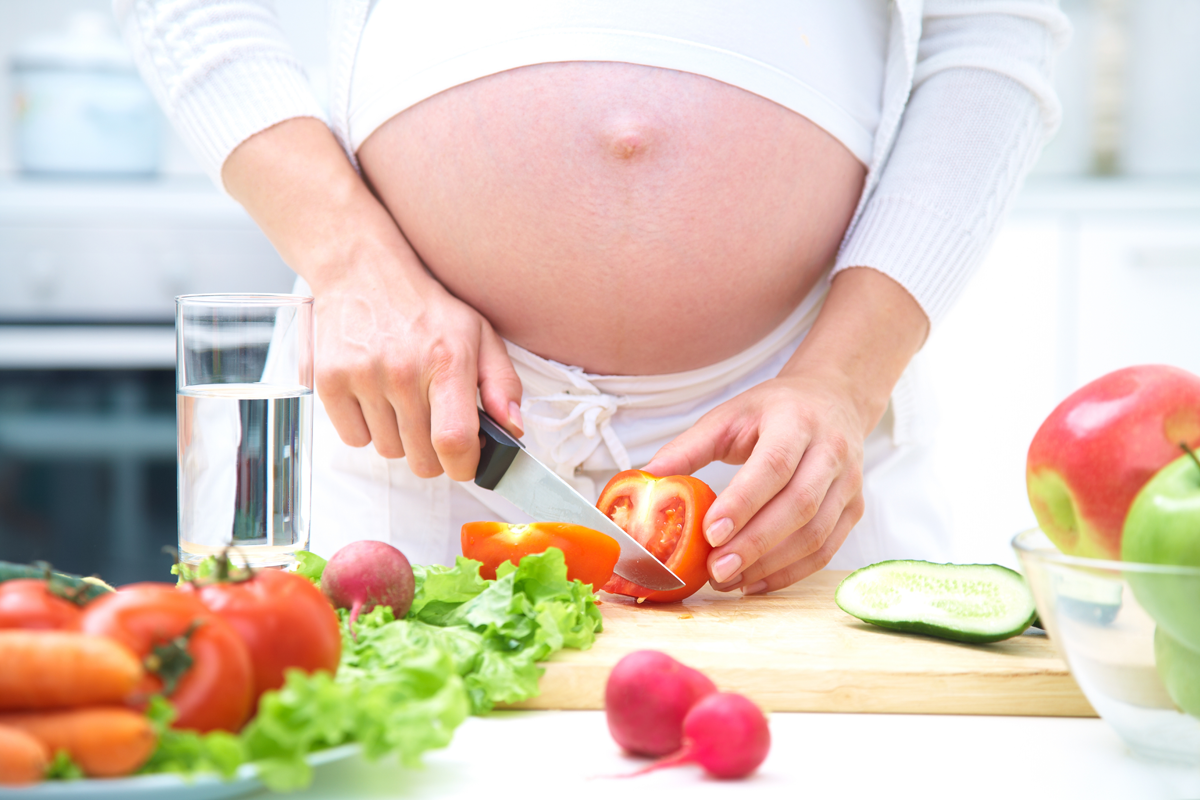
It is important to eat a healthy diet while you are pregnant. A healthy diet gives you what you need for all of the changes your body is going through. Healthy food and good nutrition also helps your baby grow and develop.
First, it is important to know that there is no magic formula for a healthy pregnancy diet. In reality, the basic principles for a healthy diet remain the same while pregnant. Get plenty of fruits, vegetables, whole grains, lean protein, and healthy fats. Drink lots of liquids too. Liquids help your blood and body fluids to circulate well, helps you digest your food, helps prevent constipation, and helps to prevent urinary tract infections as well. Be sure you are also supplementing your healthy diet with a prenatal vitamin. This will help you make sure you are getting everything you and baby need. Here is a food guide to help you get started
Dairy Products (4-8 oz cups/day): These calcium-rich foods are important for building bones and teeth for the baby. They are a source of small amounts of protein, and can provide healthy gut bacteria for you. Good sources include milk, cheese, and yogurt.
Protein Foods (2-3 servings of 6-8 oz/day): These foods help in the building and repairing of body tissues for the baby and can help maintain a more constant blood sugar level which gives you energy throughout the day. Good sources include beef, poultry, pork, fish, other meats, cheese, beans, eggs, luncheon meat, nuts, peanut butter, peas, soybeans, and tofu.
Fruits (2-4 servings of 1/2 cup/day): These foods contain many vitamins and minerals, especially vitamin C, which helps in the formation of connective tissue for the baby and boosts your immune system. Good sources include apricots, cantaloupe, grapefruit, lemons, oranges, raw cabbage, strawberries, tangerines, and tomatoes.
Vegetables (3-5 servings of 1/2 cup/day): These foods also contain many vitamins and minerals that you need. Vitamin A is a major one that is important for healthy eyes and skin for both you and the baby. Good sources include broccoli, cantaloupe, carrots, chard, greens, kale, pumpkin, spinach, sweet potatoes, tomatoes, and squash.
Grains (6-11 servings/day): These foods contain B vitamins that are important for the nervous system, give energy, and help with digestion. Good sources include enriched or whole grain varieties of bread, dry cereals, cooked cereals such as quinoa or oatmeal, crackers, pasta, rice, and tortillas.
Fluids (6-8 cups/day): Fluids are important for kidney function, circulation of body fluids and blood, and help prevent constipation. All beverages are acceptable sources of fluids except those with caffeine or alcohol. Caffeine should be consumed in moderation, and alcohol should be avoided.
Fats (use sparingly): Fats are needed for energy and vitamin metabolism and do a lot in the body. They are important, especially those which contain Omega-3 and Omega-6 fatty acids, but should not be eaten in high amounts. Good sources are butter, olive oil, coconut oil, avocados, nut butters, and fatty fish such as salmon.
![]() |
| retrieved from https://en.wikipedia.org/wiki/Food |
Folate and folic acid
Folate is a B vitamin that helps prevent neural tube defects in the baby, serious abnormalities of the brain and spinal cord. The synthetic form of folate found in supplements and fortified foods is known as folic acid. Folic acid supplementation has been shown to decrease the risk of preterm delivery. Good sources include fortified cereals, leafy green vegetables, citrus fruits, and dried beans and peas. Prenatal vitamins contain the correct amount of folic acid needed during pregnancy as well.
Calcium
Both you and your baby need calcium for strong bones and teeth. Calcium also helps the circulatory, muscular, and nervous systems to run well. Dairy products contain the best absorbed calcium. Nondairy sources include broccoli and kale. Many juices and breakfast cereals are also fortified with calcium.
Vitamin D
Vitamin D also helps you and your baby develop strong teeth and bones. Good sources include fatty fish such as salmon and fortified milk and orange juice.
Protein
Protein is vital for the growth of your baby, especially during the second and third trimesters. Good sources are listed above, but I will review a few here as well. Lean meat, poultry, fish, and eggs are great sources of protein. Some other options include peanut butter, dried beans and peas, tofu, and dairy products.
Iron
Iron-rich foods should be included somewhere in your diet and are important since your circulating blood increases while pregnant. Iron helps oxygen get to the tissues in your body which gives you energy and boosts your immune system. It is also vital for the growth of your baby. Good sources include liver, lentils, soybeans, sunflower seeds, almonds, clams, oysters, prune juice, liverwurst, dried peas and beans, tuna, salmon, mackerel, shrimp, sardines, veal, beef, pork, walnuts, and enriched grains such as flour and noodles. Your prenatal vitamins will include iron, however, your healthcare provider may recommend you take a separate iron supplement.
Fiber (at least 1 serving/day): Foods high in fiber help with digestion and prevent constipation when lots of fluids are also consumed. Good sources include fresh fruits, raw vegetables, whole grains, legumes (beans), and bran.
*Side note: As encouragement to those who are sick throughout pregnancy and cannot keep as healthy of a diet as they would like.....
It may not look like you are getting what you need, but your body knows what to do. Do what you can to take in food and make sure you are taking a prenatal vitamin. Except in extreme cases, you should be getting what you need. And stressing about it is not good for you or the baby either. Do what you can to be healthy and then trust in God's control over all things. He will take care of you and your little one.
"So do not fear, for I am with you; do not be dismayed, for I am your God. I will strengthen you and help you; I will uphold you with my righteous right hand." Isaiah 41:10 (NIV)
Monday, October 26, 2015
Preterm Labor
How is the due date calculated?
Your baby needs to continue to grow inside you for the full term of your pregnancy. Your due date is calculated based on your menstrual cycle since most people do not know the day they conceived. The human gestational period is 38 weeks from conception to birth. During a normal cycle, a woman has her menstrual period starting 2 weeks before her fertile period. So, that is why pregnancy is said to last 40 weeks.
What is preterm labor?
Labor earlier than three weeks before your due date can lead to the delivery of a premature baby with some associated risks.
Report to your Healthcare provider with any of the following symptoms:
Before calling your doctor, there may be things you can do at home to stop the increased contractions. Having a full bladder or being dehydrated can cause these premature contractions, so once these problems are resolved, they may go away on their own.
If you have some of these symptoms, and your doctor believes your are in preterm labor, you may be told to go to the hospital. Once you arrive, your doctor, midwife, or nurse may:
What will happen if I am in preterm labor?
If you have been determined to be in preterm labor after all of these checks, they will first try to stop the labor, unless you are very late in pregnancy and have had a low-risk pregnancy. If they are unable to stop labor or if your water has already broken, they may do other things to slow it down and improve the risks for you and the baby. These are some things they may do once you are determined to be in preterm labor:
I personally experienced preterm labor with my first baby. I was around 26 or 27 weeks pregnant, and I noticed I was having a lot more Braxton-Hicks contractions than normal. I laid down on the couch and drank some water, but felt no relief. I laid on the couch for over an hour with contractions that were every 6-8 minutes apart, but they were not regular nor painful. So, I hesitantly called my doctor, and he told me to go ahead and come to the hospital. They took my vital signs and my urine and hooked me up to the monitor to find that I was in fact in labor with some strong contractions. My urine came back from the lab as positive for a urinary tract infection, so the doctor determined that the UTI was the reason my body went into labor. They gave me magnesium to stop my labor, which was an unpleasant experience because my blood pressure bottomed out, and they had to give me something else to raise my pressure. Once my labor stopped, and my blood pressure was normal, I was sent home with antibiotics for my UTI.
I was so thankful that everything worked out, and that I was able to have my big (9lbs, 2oz) healthy baby boy at 39 weeks. I pray that none of you have to experience preterm labor or delivery of a preterm baby as it can be a scary experience. But you can use this post as a reference if you are experiencing any symptoms.
Thanks for reading!
Your baby needs to continue to grow inside you for the full term of your pregnancy. Your due date is calculated based on your menstrual cycle since most people do not know the day they conceived. The human gestational period is 38 weeks from conception to birth. During a normal cycle, a woman has her menstrual period starting 2 weeks before her fertile period. So, that is why pregnancy is said to last 40 weeks.
What is preterm labor?
Labor earlier than three weeks before your due date can lead to the delivery of a premature baby with some associated risks.
Report to your Healthcare provider with any of the following symptoms:
- low, dull backache
- 6 or more contractions per hour, or every 10 minutes or less
- increased pelvic pressure (may include thigh cramps)
- something feeling different, such as sensation of baby dropping
- flu-like symptoms such as nausea, vomiting, or diarrhea
- increased vaginal discharge
- vaginal bleeding
- menstrual cramps
- sensation of the "baby rolling up in a ball"
- abdominal cramping (may include diarrhea)
- increased uterine activity compared to previous patterns
Before calling your doctor, there may be things you can do at home to stop the increased contractions. Having a full bladder or being dehydrated can cause these premature contractions, so once these problems are resolved, they may go away on their own.
- Stop what you are doing and empty your bladder
- drink 3-4 glasses of water
- lie down on your left side for one hour while feeling for and counting contractions
- put your hand on your abdomen and feel for tightening and hardening of your uterus
- count how many contractions you have during the hour you are lying down
- if your contractions do not slow down after these actions, call either your doctor's office or Labor and Delivery at your hospital immediately, and they will give you directions from there
- change in vaginal discharge, such as color or amount
- leaking clear fluid
- spotting or bleeding
- vaginal discharge with a fish-like odor immediately after intercourse
If you have some of these symptoms, and your doctor believes your are in preterm labor, you may be told to go to the hospital. Once you arrive, your doctor, midwife, or nurse may:
- ask about your medical history, including medications and supplements you have been taking during your pregnancy
- check your pulse, blood pressure, and temperature
- put a monitor on your belly to check the baby's heart rate and your contractions
- swab your cervix for fetal fibronectin, which can help predict the risk of delivering early
- get a urine sample to check for UTI and signs of infection
- check your cervix to see if it is opening
![]() |
| found on https://www.healthtap.com/user_questions/233264 |
What will happen if I am in preterm labor?
If you have been determined to be in preterm labor after all of these checks, they will first try to stop the labor, unless you are very late in pregnancy and have had a low-risk pregnancy. If they are unable to stop labor or if your water has already broken, they may do other things to slow it down and improve the risks for you and the baby. These are some things they may do once you are determined to be in preterm labor:
- give IV fluids
- give medicine to relax your uterus and stop labor
- give medicine to speed up the development of the baby's lungs
- give antibiotics
- admit you to the hospital
I personally experienced preterm labor with my first baby. I was around 26 or 27 weeks pregnant, and I noticed I was having a lot more Braxton-Hicks contractions than normal. I laid down on the couch and drank some water, but felt no relief. I laid on the couch for over an hour with contractions that were every 6-8 minutes apart, but they were not regular nor painful. So, I hesitantly called my doctor, and he told me to go ahead and come to the hospital. They took my vital signs and my urine and hooked me up to the monitor to find that I was in fact in labor with some strong contractions. My urine came back from the lab as positive for a urinary tract infection, so the doctor determined that the UTI was the reason my body went into labor. They gave me magnesium to stop my labor, which was an unpleasant experience because my blood pressure bottomed out, and they had to give me something else to raise my pressure. Once my labor stopped, and my blood pressure was normal, I was sent home with antibiotics for my UTI.
I was so thankful that everything worked out, and that I was able to have my big (9lbs, 2oz) healthy baby boy at 39 weeks. I pray that none of you have to experience preterm labor or delivery of a preterm baby as it can be a scary experience. But you can use this post as a reference if you are experiencing any symptoms.
Thanks for reading!
Monday, August 31, 2015
Safe Medications During Pregnancy
This is the 3rd part to my series on pregnancy safety information. Click here to see general information on pregnancy. Click here to find out more about common discomforts of pregnancy.
Medications during pregnancy is a issue that is very difficult. While there are always risks with everything you take, there are some medications that have a very high safety level. There is always a potential for the baby to receive the medication when you take it, so it is important to avoid medications when possible. But if you are completely miserable and need something to relieve discomforts, there are plenty of medications that are safe for your baby. Many of these medications are commonly used during pregnancy. Another thing to remember is as the pregnancy progresses, these medications have even less risk for the baby. But always discuss medications with your health care provider.
Here are medications and other remedies that are considered safe to take during pregnancy. I put them each under discomfort categories so that you can find one to take for different ailments. I have included over-the-counter, prescription medications, and home remedies.
Common Cold:
Sudafed (do not take if you have a history of high blood pressure and avoid Sudafed 12 hour)
Actafed
Robitussin, Robitussin DM, Robitussin PE
Benadryl
Tylenol Sinus
Tavist D
Dimetapp (not Dimetapp Cold and Allergy)
Cholraseptic (for a sore throat)
Deconosal
Saline nasal drops or spray
Warm salt/water gargle
Heartburn/Indigestion
Tums
Maalox
Mylanta
Pepcid
Mylacon
Zantac
Tagamet
Axid
Gas X
Gaviscon
Allergies
Benadryl
Claritin
Zyrtec
*Ask your healthcare provider before taking these in the first trimester.
Asthma
Theodur
Provential
Alupent
Theophyiline
Constipation
Colace
Metamucil
Fibercon
Milk of Magnesia
Ducolax
Surfak
Pain/Headaches
Tylenol
Extra-strength Tylenol
Hemorroids
Anusol Suppositories
Preparation H cream
Preparation H ointment
Tucks pads
Diarrhea
Kaopectate (liquid only)
Imodium
Nausea/Vomiting
Phenergran
Emetrol
Vitamin B6
Ginger root
First Aid
Bacitracin
J&J First Aid Cream
Neosporin
Polysporin
Rashes
Benadryl cream
Caladryl lotion or cream
Hydrocortisone cream or ointment
Aveeno oatmeal bath
Others
Monistat (for yeast infection)
Zithromax (for upper respiratory infections)
Macrobid (for urinary tract infection)
Gyne-lotrimin (for fungal/yeast infection)
Thanks for stopping by! My next post I will be sharing about my experience with pre-term labor and some guidelines for what to do if your experience it.
| found on www.babymed.com |
Medications during pregnancy is a issue that is very difficult. While there are always risks with everything you take, there are some medications that have a very high safety level. There is always a potential for the baby to receive the medication when you take it, so it is important to avoid medications when possible. But if you are completely miserable and need something to relieve discomforts, there are plenty of medications that are safe for your baby. Many of these medications are commonly used during pregnancy. Another thing to remember is as the pregnancy progresses, these medications have even less risk for the baby. But always discuss medications with your health care provider.
Here are medications and other remedies that are considered safe to take during pregnancy. I put them each under discomfort categories so that you can find one to take for different ailments. I have included over-the-counter, prescription medications, and home remedies.
Common Cold:
Sudafed (do not take if you have a history of high blood pressure and avoid Sudafed 12 hour)
Actafed
Robitussin, Robitussin DM, Robitussin PE
Benadryl
Tylenol Sinus
Tavist D
Dimetapp (not Dimetapp Cold and Allergy)
Cholraseptic (for a sore throat)
Deconosal
Saline nasal drops or spray
Warm salt/water gargle
Heartburn/Indigestion
Tums
Maalox
Mylanta
Pepcid
Mylacon
Zantac
Tagamet
Axid
Gas X
Gaviscon
Allergies
Benadryl
Claritin
Zyrtec
*Ask your healthcare provider before taking these in the first trimester.
Asthma
Theodur
Provential
Alupent
Theophyiline
Constipation
Colace
Metamucil
Fibercon
Milk of Magnesia
Ducolax
Surfak
Pain/Headaches
Tylenol
Extra-strength Tylenol
Hemorroids
Anusol Suppositories
Preparation H cream
Preparation H ointment
Tucks pads
Diarrhea
Kaopectate (liquid only)
Imodium
Nausea/Vomiting
Phenergran
Emetrol
Vitamin B6
Ginger root
First Aid
Bacitracin
J&J First Aid Cream
Neosporin
Polysporin
Rashes
Benadryl cream
Caladryl lotion or cream
Hydrocortisone cream or ointment
Aveeno oatmeal bath
Others
Monistat (for yeast infection)
Zithromax (for upper respiratory infections)
Macrobid (for urinary tract infection)
Gyne-lotrimin (for fungal/yeast infection)
Thanks for stopping by! My next post I will be sharing about my experience with pre-term labor and some guidelines for what to do if your experience it.
Subscribe to:
Comments (Atom)